5 Essential Tips for Leash Training Your Puppy
Leash training is one of the most fundamental and important skills you can teach your new puppy. A dog that walks politely on a leash makes outings enjoyable, stress-free, and safe for both of you. However, puppies aren't born knowing how to walk on a leash; being tethered to a human is a completely foreign and unnatural concept to them. In this comprehensive guide, we will cover five essential, proven tips to help you master leash training with your new furry companion, setting you up for a lifetime of pleasant walks.
1. Introduce the Equipment Early and Positively
Before you ever attach the leash and attempt to go for a walk, you must let your puppy get used to wearing a collar or harness. Put the gear on them for short periods while they are engaging in highly rewarding activities, like eating their meals or playing with their favorite toys. This helps them associate the equipment with positive, happy experiences.
Never pull or drag your puppy by the leash during this initial introduction phase. Once they are comfortable wearing the collar, attach a lightweight leash and simply let them drag it around the house under your close supervision. Let them realize that the leash is just a harmless extension of their gear, nothing to be afraid of or fight against.
Choosing the right equipment is also vital. For young puppies, a well-fitted, comfortable harness is often preferred over a neck collar, as it prevents damage to their delicate tracheas if they suddenly dart or pull. Ensure the harness does not restrict their shoulder movement and is adjusted correctly as they rapidly grow.
If your puppy bites or chews at the leash while dragging it, gently redirect their attention to an appropriate chew toy. Do not turn it into a game of tug-of-war, as this will teach them that the leash is a toy rather than a tool for communication and safety.
2. Teach a Reliable Attention Cue Word
Establish a distinct sound or word that universally means "look at me, a reward is coming." This could be the click of a clicker, a specific whistle, or a simple, upbeat word like "Yes!" or "Good!" Use this cue to get your puppy's attention when they are wearing the leash in a low-distraction environment.
When they turn their head to look at you, immediately reward them with a small, high-value treat. This teaches the puppy that paying attention to you while on the leash is highly rewarding, laying the crucial groundwork for focused, attentive walking later on.
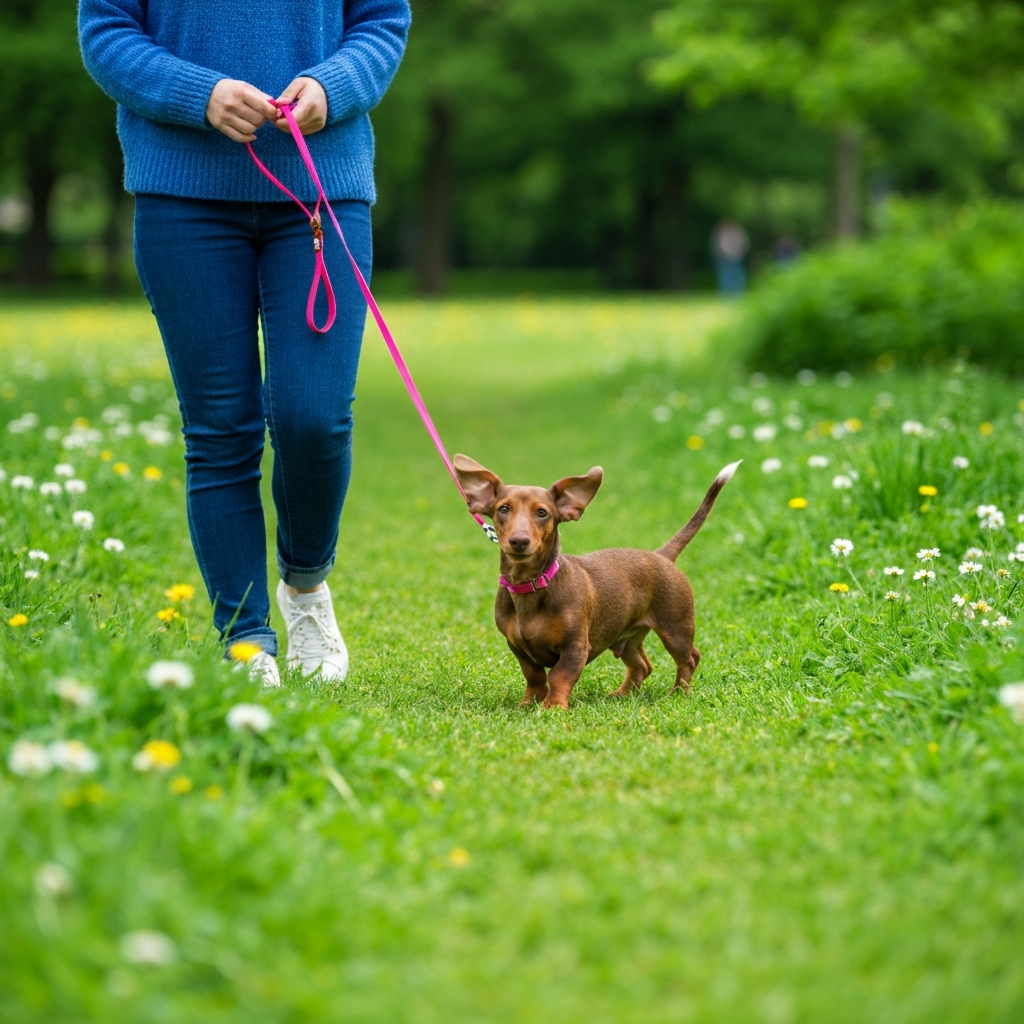
Practice this attention game frequently. Take a few steps away from your puppy, use your cue word, and reward them the second they catch up to you and make eye contact. The goal is to make yourself the most interesting and rewarding thing in their environment, even when there are other things going on around them.
Remember that the treats used for this training should be small, soft, and highly palatable. Boiled chicken, small pieces of cheese, or specialized training treats work best because they can be consumed quickly without breaking the flow of the training session.
3. Start Inside in a Controlled Environment
The great outdoors is full of overwhelming distractions—fascinating smells, loud sounds, fast-moving animals, and unfamiliar people. Start your actual leash walking practice inside your home where the environment is completely controlled, familiar, and relatively boring. Walk a few steps; if the puppy follows alongside you, use your cue word and reward them.
Practice makes perfect, but keep it brief. Keep these indoor sessions very short—just a few minutes at a time, several times a day. Puppies have incredibly short attention spans, and you want to end the session on a positive note before they get frustrated, tired, or bored.
During these indoor sessions, practice changing directions frequently. If your puppy starts to forge ahead, simply turn 180 degrees and walk the other way. When they hustle to catch up to you, reward them in the correct position by your side. This teaches them to constantly monitor your location and direction.
You can also create an indoor obstacle course using chairs or cones to practice navigating around objects together. This builds teamwork and keeps the indoor training sessions engaging and mentally stimulating for your growing puppy.
4. Master the "Be a Tree" Method
If your puppy starts to pull toward something they want, the worst thing you can do is pull back aggressively or let them successfully drag you forward. If pulling gets them to where they want to go, they will continue to pull. Instead, stop moving immediately and "be a tree." Stand perfectly still, anchor your feet, and wait.
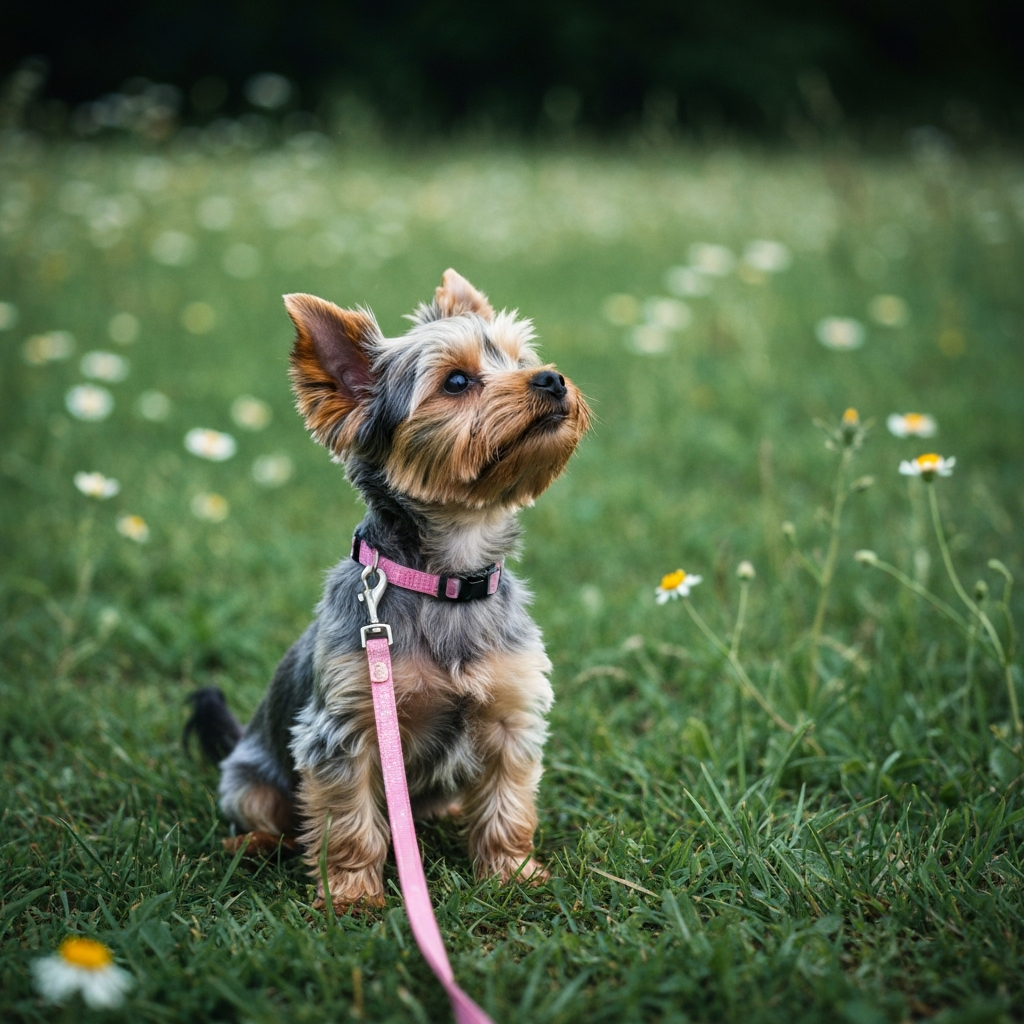
Do not yank the leash or scold them. Simply wait. The moment your puppy realizes they aren't moving forward, they will eventually stop pulling and look back at you. The second there is slack in the leash and they make eye contact, use your cue word, reward them, and immediately continue walking.
This method requires immense patience, especially on walks where you might only make it to the end of your driveway in twenty minutes. However, it effectively teaches the puppy that pulling makes the fun walk stop completely, while walking with a loose leash makes the adventure continue.
Consistency is the hardest part of the "Be a Tree" method. Everyone who walks the puppy must adhere to this rule. If you let them pull even occasionally, it creates intermittent reinforcement, which actually makes the pulling behavior stronger and harder to extinguish.
5. Gradually Increase Environmental Distractions
Once your puppy is walking beautifully on a loose leash indoors and in your quiet backyard, it's time to gradually increase the difficulty. Move to a quiet suburban street, then eventually to more distracting environments like busy parks or pet stores. Always be prepared to take a step back in your training if the new environment proves too overwhelming.
When entering a highly distracting environment, lower your expectations initially. You may need to use higher-value treats and reward much more frequently to keep their attention. If your puppy is completely ignoring you and pulling frantically, the environment is too challenging; move further away from the distraction until they can focus again.
Incorporate "sniffaris" into your walks. A structured walk is important, but dogs explore the world through their noses. Dedicate specific portions of the walk where you give a release cue (like "Go sniff!") and allow them to explore and smell freely on a loose leash. This provides massive mental stimulation.
Patience, consistency, and positive reinforcement are the absolute keys to successful leash training. Remember that every walk is a training session. By establishing clear rules, remaining perfectly consistent, and generously rewarding good behavior, you'll soon have a wonderful, polite walking companion for years to come.